
Male Pelvic Health
Specialised physiotherapy for pelvic pain, urinary, bowel, sexual and pelvic floor concerns in men.
What we see
every day.
Pelvic health concerns in men can affect pain, bladder and bowel function, sexual health, exercise and everyday quality of life.
Our male pelvic health physiotherapists provide private, individualised care to understand what is contributing to your symptoms and build a treatment plan around you.
Not sure if your symptoms are related to your pelvic floor? Chat with our team and we’ll help you find the right clinician.
Physiotherapy addresses relevant pelvic floor and musculoskeletal factors. Medical or urological assessment may also be needed, depending on your symptoms.
Chronic pelvic pain & CPPS
Chronic pelvic pain, chronic prostatitis/chronic pelvic pain syndrome (CPPS), pelvic floor myalgia and pelvic muscle spasm.
Pelvic & perineal pain
Perineal, penile, suprapubic and pelvic pain, including pain associated with prolonged sitting.
Testicular & scrotal pain
Chronic testicular or scrotal pain, chronic scrotal content pain and post-vasectomy pain.
Pudendal neuralgia & nerve-related pain
Pudendal neuralgia, pelvic neuropathic pain and pelvic nerve sensitivity.
Urinary dysfunction
Urinary incontinence, urgency, frequency, nocturia, post-void dribbling and dysfunctional voiding.
Post-prostatectomy & urological rehabilitation
Pelvic floor rehabilitation following prostatectomy, prostate cancer treatment, TURP and other urological procedures.
Male sexual dysfunction
Erectile dysfunction, premature ejaculation, ejaculatory dysfunction and other sexual symptoms where pelvic floor dysfunction is a contributing factor.
Pelvic floor muscle dysfunction
Pelvic floor weakness, overactivity, hypertonicity, poor relaxation and coordination deficits.
Bowel & defecatory dysfunction
Pelvic floor-related constipation, dyssynergic defecation, faecal urgency and faecal incontinence.
Musculoskeletal pelvic & groin pain
Hip, lumbar, sacroiliac, adductor, groin, coccyx and abdominal wall conditions that may contribute to pelvic symptoms.
Sports & exercise-related pelvic floor problems
Urinary leakage, pelvic or perineal pain, pelvic pressure and pressure-management difficulties during running, cycling, weightlifting and sport.
Neurological pelvic floor dysfunction
Pelvic floor rehabilitation associated with neurological conditions and lumbosacral dysfunction, according to individual needs and medical guidance.
Peyronie’s disease
Alongside urological care, physiotherapy may address coexisting pelvic floor or musculoskeletal symptoms in selected patients with Peyronie’s disease. It does not treat penile plaques or correct penile curvature.
A private, individualised approach.
Male pelvic health requires a respectful and individualised approach.
Your physiotherapist will assess the relationship between your pelvic floor, bladder, bowel, sexual function and the wider musculoskeletal system, then build treatment around your symptoms, goals and comfort.
- 01Comprehensive assessment
A detailed discussion of your symptoms, medical history, lifestyle, activity and goals, followed by a clinical assessment appropriate to your presentation.
- 02Private, consent-led examination
Where clinically appropriate, your physiotherapist may recommend an external or internal pelvic floor assessment. This will always be explained beforehand and performed only with your consent. You can decline or ask to stop at any time.
- 03Individualised rehabilitation
Your treatment plan is built around your specific symptoms and may focus on strength, relaxation, coordination, mobility, pain management or functional recovery.
- 04Education and self-management
We help you understand what may be contributing to your symptoms and give you practical strategies you can use between sessions.
- 05Progressive return to activity
Where relevant, rehabilitation progresses towards exercise, sport, work and everyday activities with confidence.
The full toolkit.
External and, where appropriate, internal assessment of pelvic floor function.
Helping the pelvic floor become stronger when needed, or learning to relax and reduce unnecessary muscle activity when it is overactive.
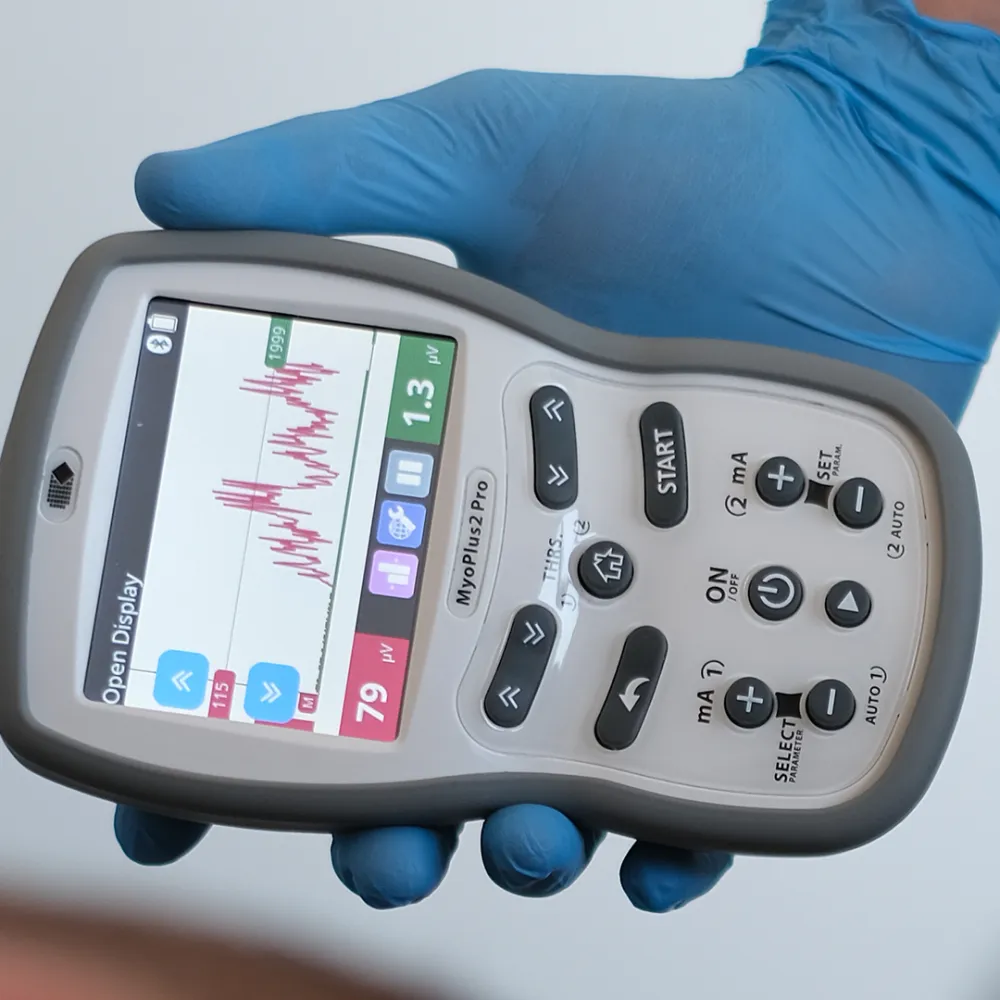
Using real-time feedback to improve awareness, control, relaxation and coordination of the pelvic floor muscles.
Targeted manual and soft-tissue techniques to address relevant pelvic, abdominal, hip, groin and musculoskeletal restrictions.
Improving the timing, coordination and control of the pelvic floor and surrounding muscles.
Training breathing and movement strategies that help manage pressure through the abdomen and pelvic floor during everyday activities and exercise.
Practical strategies to improve bladder and bowel habits, pelvic floor coordination and continence.
Individualised rehabilitation for urinary leakage, urgency and other continence-related symptoms.
A personalised approach to reducing pain, improving movement and restoring confidence in everyday activities.
Pelvic floor rehabilitation to support urinary continence and functional recovery following prostatectomy.
Rehabilitation following TURP and other urological procedures, according to individual needs and medical guidance.
Progressive rehabilitation for men experiencing pelvic floor or pelvic symptoms during running, cycling, weightlifting and sport.
You don’t need to wait until symptoms become severe.
Pelvic health physiotherapy may be appropriate if you have persistent pelvic or perineal pain, urinary or bowel symptoms, pelvic floor tension or weakness, symptoms following prostate or urological treatment, or sexual symptoms that may be associated with pelvic floor dysfunction.
If you’re unsure whether physiotherapy is right for you, our team can help direct you to the appropriate clinician.
Male Pelvic Health, answered.
What is male pelvic floor physiotherapy?
Male pelvic floor physiotherapy is a specialised form of physiotherapy focused on the muscles, nerves, joints and tissues involved in pelvic function. It can help address pelvic pain, urinary and bowel dysfunction, post-prostatectomy recovery, pelvic floor muscle dysfunction and certain sexual symptoms associated with the pelvic floor.
What can male pelvic health physiotherapy help with?
It can help with a range of concerns including chronic pelvic pain, chronic prostatitis/CPPS, pelvic and perineal pain, urinary symptoms, pelvic floor dysfunction, bowel dysfunction, post-prostatectomy recovery, sports-related pelvic floor problems and some sexual symptoms associated with pelvic floor dysfunction.
Do I need an internal examination?
Not necessarily.
An internal pelvic floor examination is only considered when it is clinically appropriate and may provide useful information for your assessment or treatment. Your physiotherapist will explain why it may be recommended, what it involves and obtain your consent beforehand.
You can decline the examination, ask to stop, and discuss your concerns and treatment preferences with your physiotherapist at any time.
Is pelvic floor physiotherapy only for men after prostate surgery?
No.
Male pelvic floor physiotherapy can be appropriate for men with pelvic pain, urinary or bowel symptoms, sexual symptoms associated with pelvic floor problems, sports-related pelvic floor symptoms, nerve-related pelvic pain and other pelvic floor conditions, with or without previous surgery.
Can pelvic floor muscles be too tight?
Yes.
Pelvic floor dysfunction is not always caused by weakness. Some men have an overactive or hypertonic pelvic floor that does not relax properly.
In these cases, treatment may focus on relaxation, down-training, breathing, manual therapy and coordination rather than strengthening alone.
Can pelvic health problems affect sport and exercise?
Yes.
Running, cycling, weightlifting and other sports can place demands on the pelvic floor and the body’s pressure-management system.
Physiotherapy can identify contributing factors and develop a progressive rehabilitation plan to help you return to exercise and sport.
Can physiotherapy help after prostate cancer treatment?
Yes.
Pelvic health rehabilitation can support recovery following prostate cancer treatment, including prostatectomy and pelvic radiotherapy. Depending on your individual presentation and medical guidance, treatment may address urinary symptoms, pelvic pain, pelvic floor function and sexual symptoms related to pelvic floor dysfunction.
What if I’m not sure whether my symptoms are related to my pelvic floor?
That’s common.
Pelvic symptoms can sometimes be influenced by the pelvic floor, hips, lower back, nerves, abdomen or other areas of the musculoskeletal system.
A comprehensive assessment can help identify the factors contributing to your symptoms and determine whether pelvic health physiotherapy is appropriate for you.